UID x AQUO TALK BRINGS TOGETHER VOICES ON BALI’S TRANSPORT TRANSFORMATION
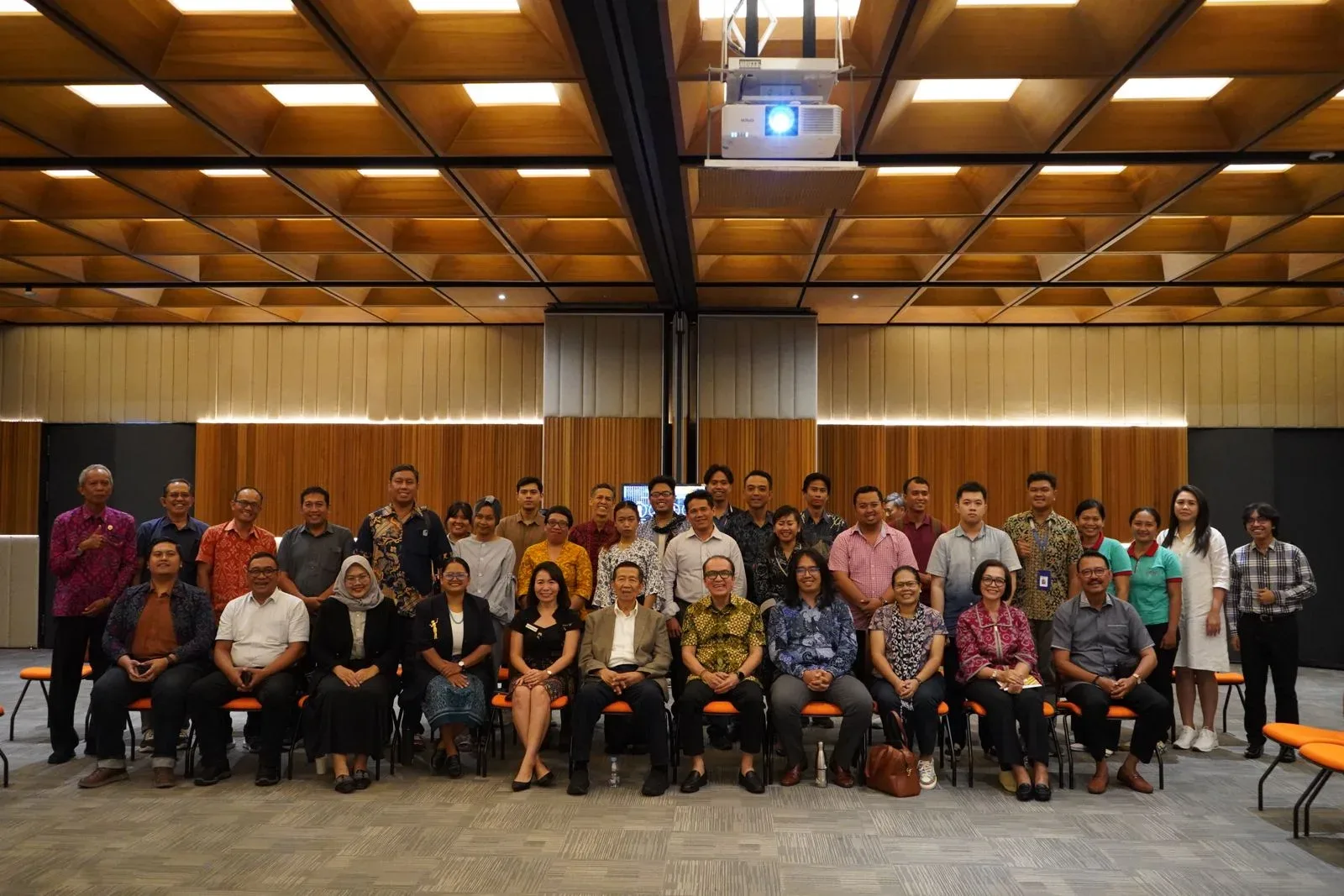
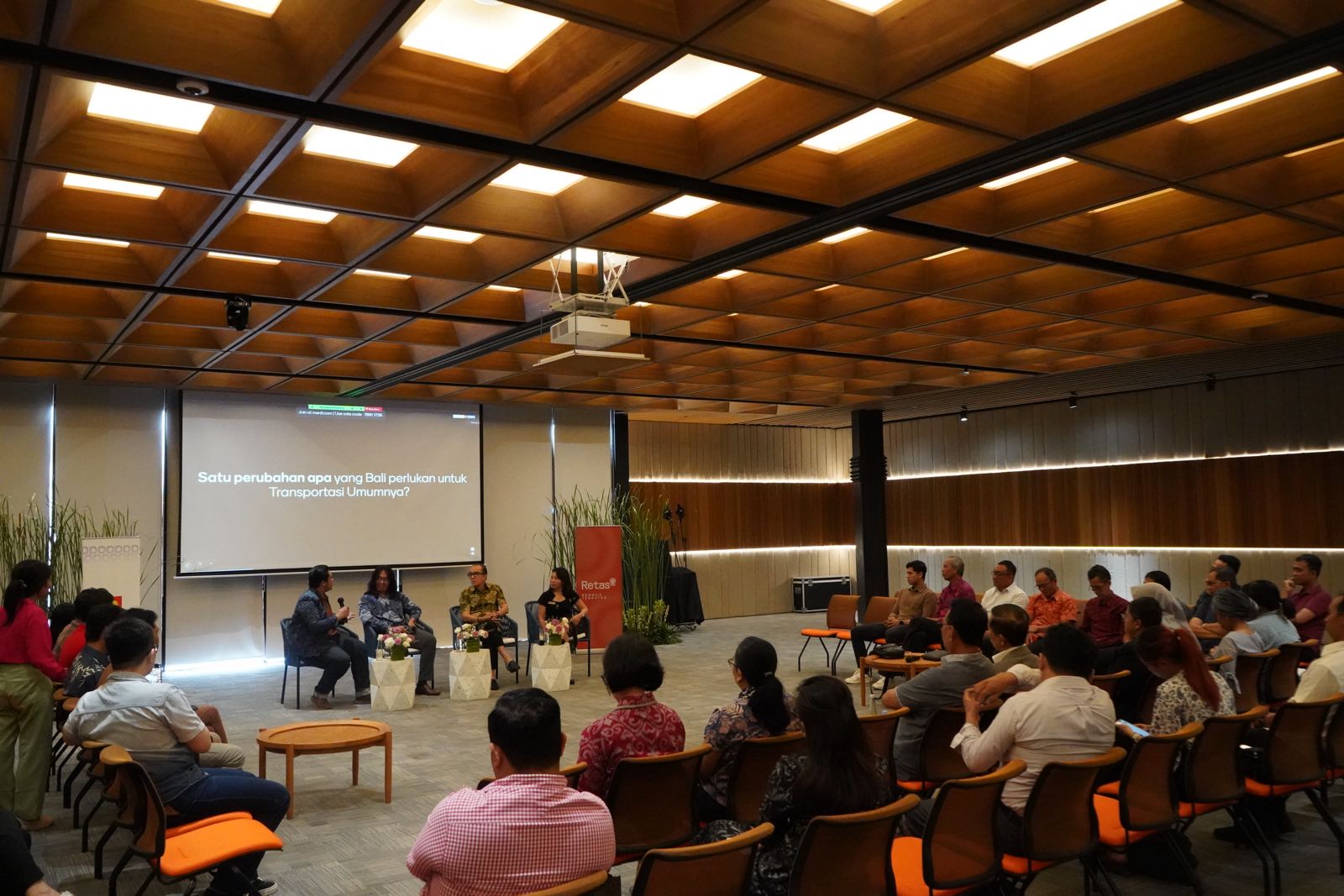
Denpasar, June 21st, 2025 - United In Diversity (UID), in collaboration with Mandara School of Law and Public Policy (Mandara SLPP), held a strategic forum titled Developing an Inclusive and Integrated Public Transportation in Bali at UID Bali Campus, Kura Kura Bali SEZ. This forum served as a cross-sector meeting space to discuss Bali’s transportation challenges and to initiate a more inclusive and sustainable mobility system.
The event featured speakers from various backgrounds, including Ambassador Tantowi Yahya (President United In Diversity Foundation), Dr. Putu Diah Sastri Pitanatri (Head of Research and Community Service at Bali Tourism Polytechnic), and I Gede Bagus Ananda Pratama (Director of Public Policy at Mandara SLPP), moderated by A.A.B.N.A. Surya Putra (President Director of Mandara SLPP). Attended by audiences covering academics, professionals, government, community members, and students.
With the rapid growth of tourism, Bali’s limited and uncoordinated transportation infrastructure is considered inadequate to meet the mobility needs of both residents and tourists. The issues are traffic congestion, reliance on private vehicles, and suboptimal integration of transportation modes underscore the importance of this discussion.
During the forum, Dr. Putu Diah Sastri Pitanatri presented the concept of Mobility as Service (Maas) as a strategic approach to address Bali’s transportation challenges. She emphasized that the success of Maas implementation heavily relies on strong cross-sector collaboration. According to her, five key stakeholders like academia, business, government, communities, and media that must actively participate in the formulation and implementation of inclusive mobility policies. “Mobility as a service hold great potential to solve Bali’s transportation problems. If all five are actively involved, the implementation of Maas will be more easily achieved.”, she explained.
This perspective was reinforced by I Gede Bagus Ananda Pratama, who highlighted that the greatest challenge lies not in technical readiness but in the collective commitment of all parties. He argued that developing an ideal public transportation system requires more than just authority or individual expertise. "The question is not whether Bali is technically ready, but whether we are all committed. It’s not about who has the most power or competence, but who truly has the determination to realize a more competitive and empowered Bali," he stated.
In line with this, Amb. Tantowi Yahya emphasized the importance of policy innovation as a catalyst for change. He stated that if Bali were granted special autonomy status, transportation issues would no longer pose a major barrier to development. In his view, special autonomy would provide greater flexibility for Bali to design a mobility system that aligns with local characteristics, without being bound to uniform central policies. "If Bali is granted special autonomy status, transportation issues will no longer be a major threat. Bali can continue to develop through the tourism sector while ensuring its people also benefit from it," he explained, while stressing that the sustainability of an effective mobility system requires adaptive and contextual policies.
Adding depth to the discussion, I Made Mangku Pastika, former Governor of Bali and current member of the Regional Representative Council (DPD) of Indonesia, was also present and offered critical reflections during the dialogue session with participants. He underscored the importance of a transportation system that is not only physically integrated but also institutionally and socially cohesive. According to him, mobility issues in Bali are not just about infrastructure or technology, but about the courage to draft a jointly agreed roadmap involving all stakeholders. In his statement, he emphasized that cross-sector coordination is the main foundation for sustainable transformation, and that without a clear vision and direction, Bali will struggle to resolve its ongoing transportation problems.
The forum also featured an interactive session and mini-debate with participants, which highlighted that public transportation issues are not solely about infrastructure but also concern equitable access, inclusive policy-making, and long-term consistency. Participants from various backgrounds voiced the importance of involving the community in policy-making processes and monitoring their implementation to ensure the system truly reflects the real needs and conditions on the ground.
Concluding the series of events, the forum reaffirmed that inclusive and integrated transportation solutions are not mere discourse, but tangible goals that can be achieved through thorough planning, political will, and strong collaboration among stakeholders. Moving forward, forums like UID x Aquo Talk are expected to continue serving as strategic platforms for strengthening synergy and innovation in building a more just and sustainable mobility system for Bali.