UID x Aquo Talk: Bali Tourism Status Quo - Navigating the Island’s Over-Concentrated Tourism
Bali, January 26, 2026 – United in Diversity (UID), in collaboration with Mandara School of Law and Public Policy, convened a public dialogue titled “Bali Tourism Status Quo: Navigating the Island’s Over-Concentrated Tourism” on Monday, January 26, 2026, at UID Bali Campus. The discussion brought together government officials, legislators, academics, tourism practitioners, and community representatives to critically reflect on Bali’s increasingly over-concentrated tourism development, particularly in the southern region of the island.
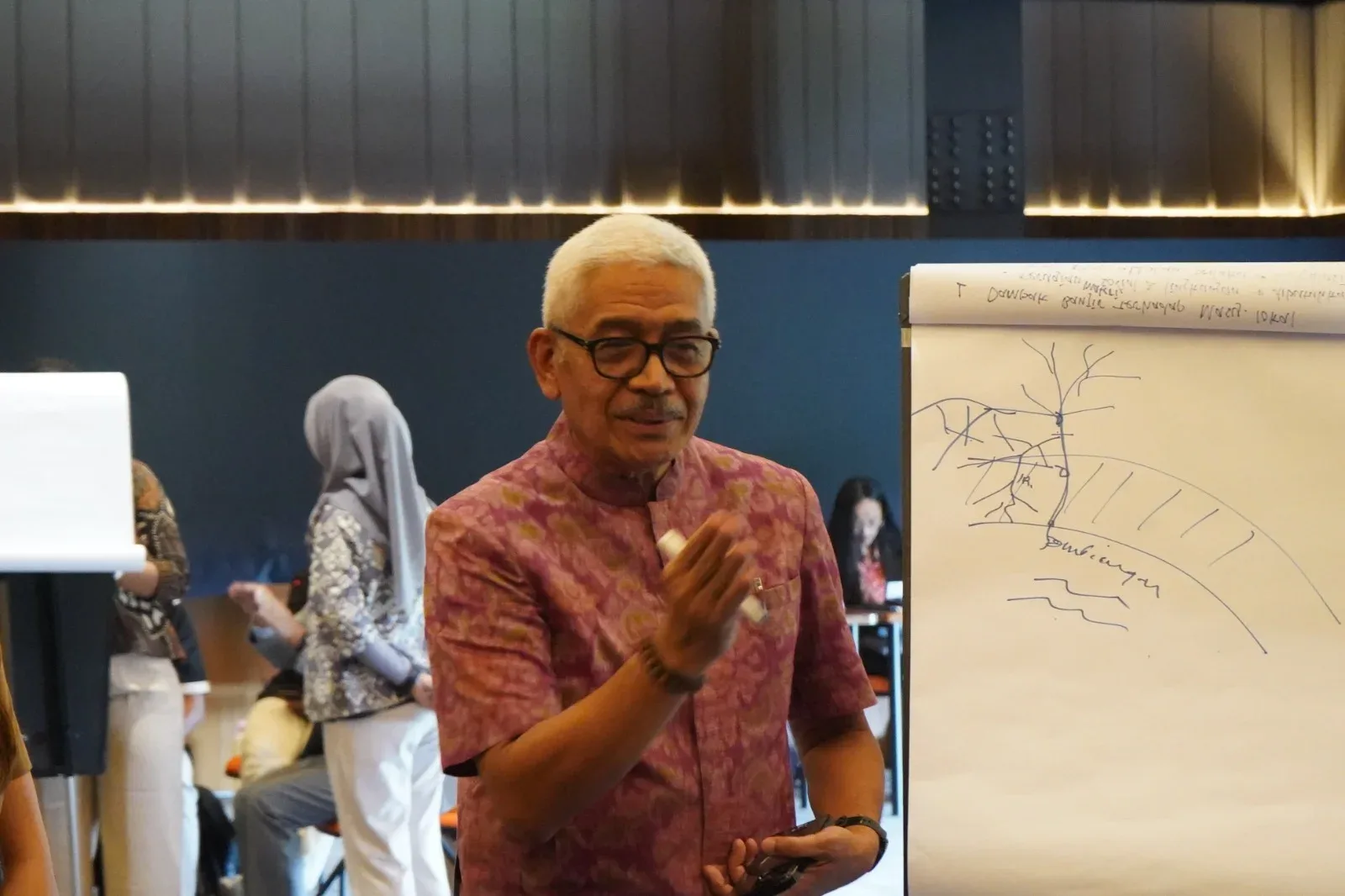
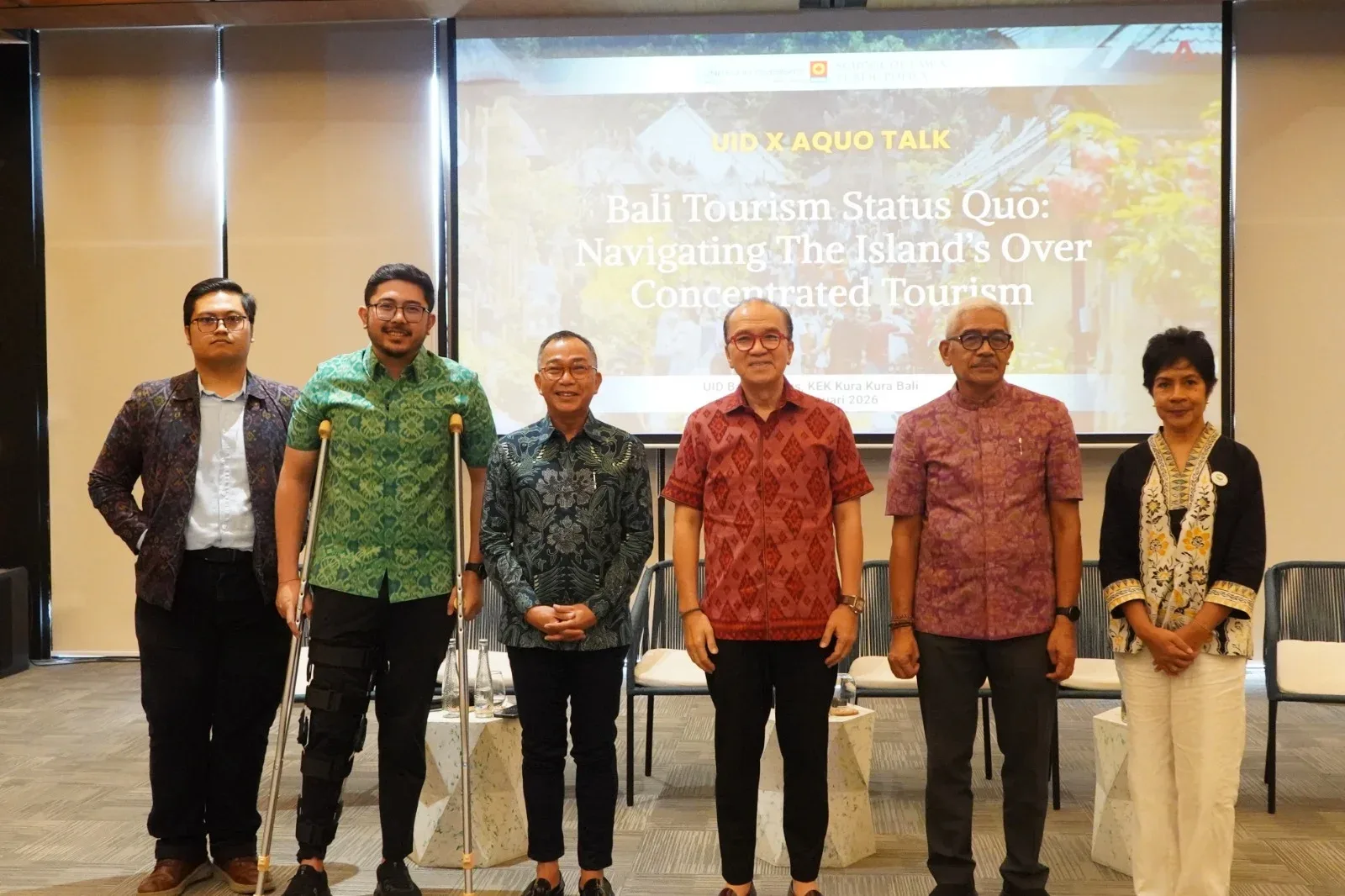
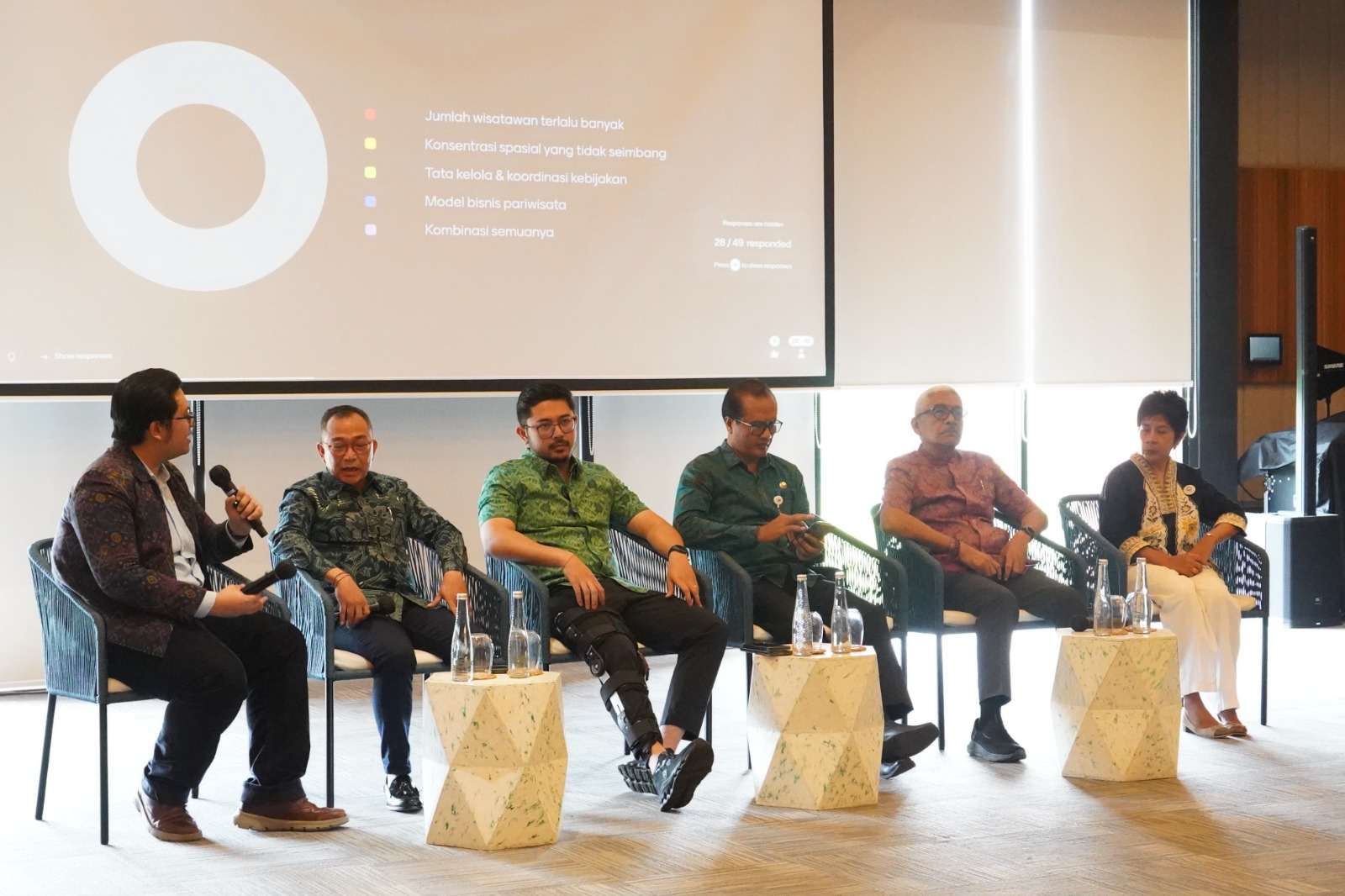
The UID x Aquo Talk featured a diverse panel of speakers representing key tourism stakeholders: Ida Bagus Gede Agung Sidharta Putra, Owner of Santrian Group; Agung Bagus Pratiksa Linggih, Chairman of Commission II of the Bali Provincial House of Representatives (DPRD Provinsi Bali); I Ketut Yadnya Winarta, Head of the Tourism Industry and Creative Economy Division at the Bali Provincial Tourism Office; Prof. Dr. Drs. I Nyoman Sunarta, M.Si., Professor at the Faculty of Tourism, Udayana University; and Mercia Nanlohy, Account Manager at Eco-Tourism Bali.
This UID x Aquo Talk was designed as a reflective, multi-sector dialogue to examine Bali’s tourism challenges through a holistic lens, integrating perspectives from government, academia, business, and civil society. The discussion serves as the foundation for a policy brief to be developed by Mandara SLPP, which will be used as an advocacy instrument for local government policy-making related to sustainable tourism governance.
The topic of over-concentration was selected in response to Bali’s current tourism dynamics. In 2024, Bali welcomed approximately 16.4 million tourists, combining domestic and international arrivals (Bali Provincial Tourism Office, 2024). Despite this growth, hotel occupancy rates outside South Bali remained below 40 percent (NusaBali, 2025), highlighting structural imbalance in tourism distribution and development benefits across the island.
The panelists, each an expert and practitioner in their respective fields, were intentionally selected to ensure a comprehensive discussion that captured regulatory, academic, legislative, and industry-based viewpoints. This diversity enabled a nuanced examination of tourism development that goes beyond economic growth to include environmental sustainability and socio-cultural resilience.
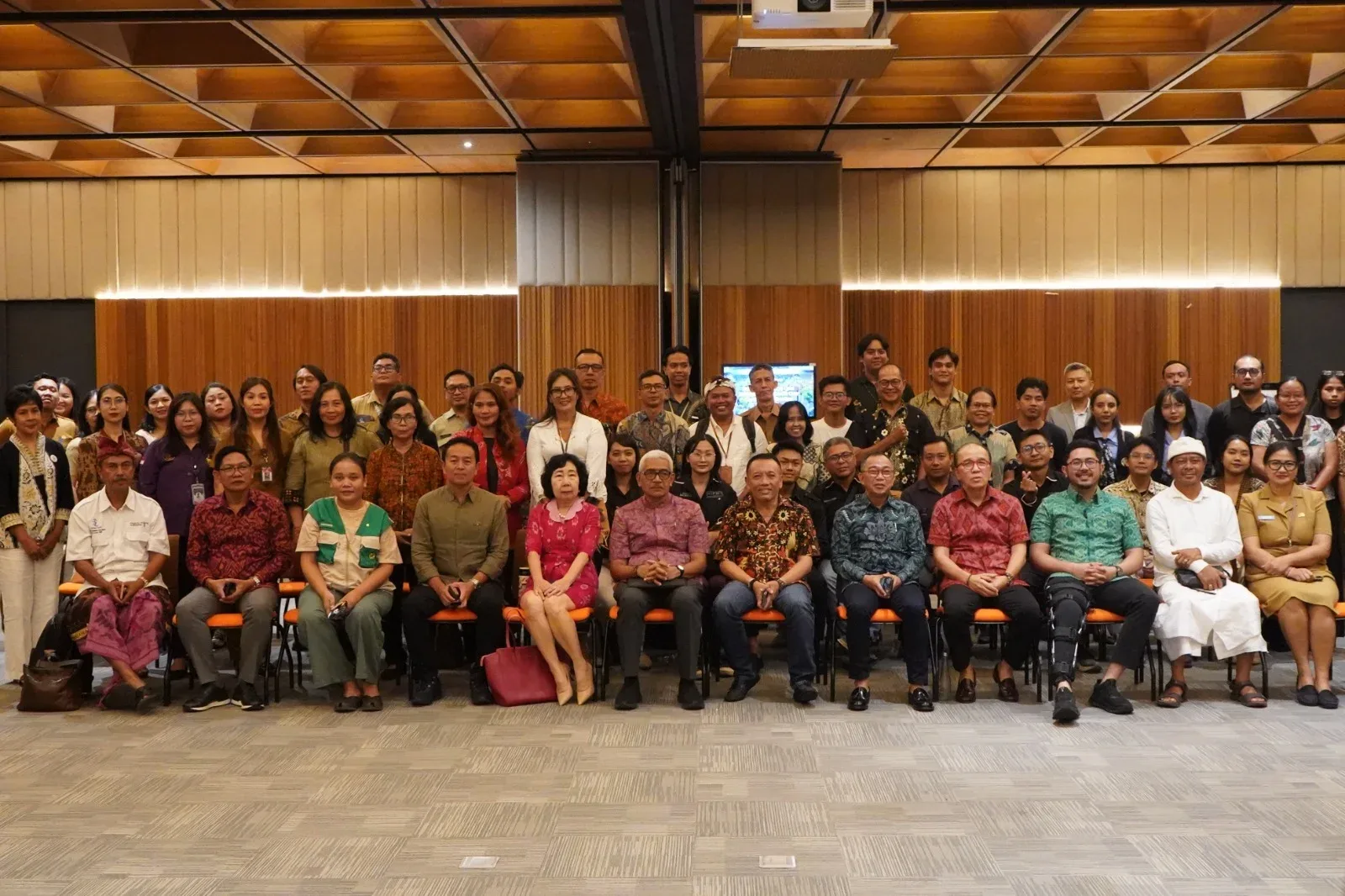
The discussion successfully brought together more than 50 participants from Badung Tourism Office, Singaraja Tourism Office, Himpunan Pengusaha Muda Indonesia (HIPMI), KADIN Bali, Udayana University, Akademi Pariwisata Denpasar, Forum Komunikasi Desa Wisata, and over 20 other organizations, reflecting strong cross-sector engagement and share concern for Bali’s future.
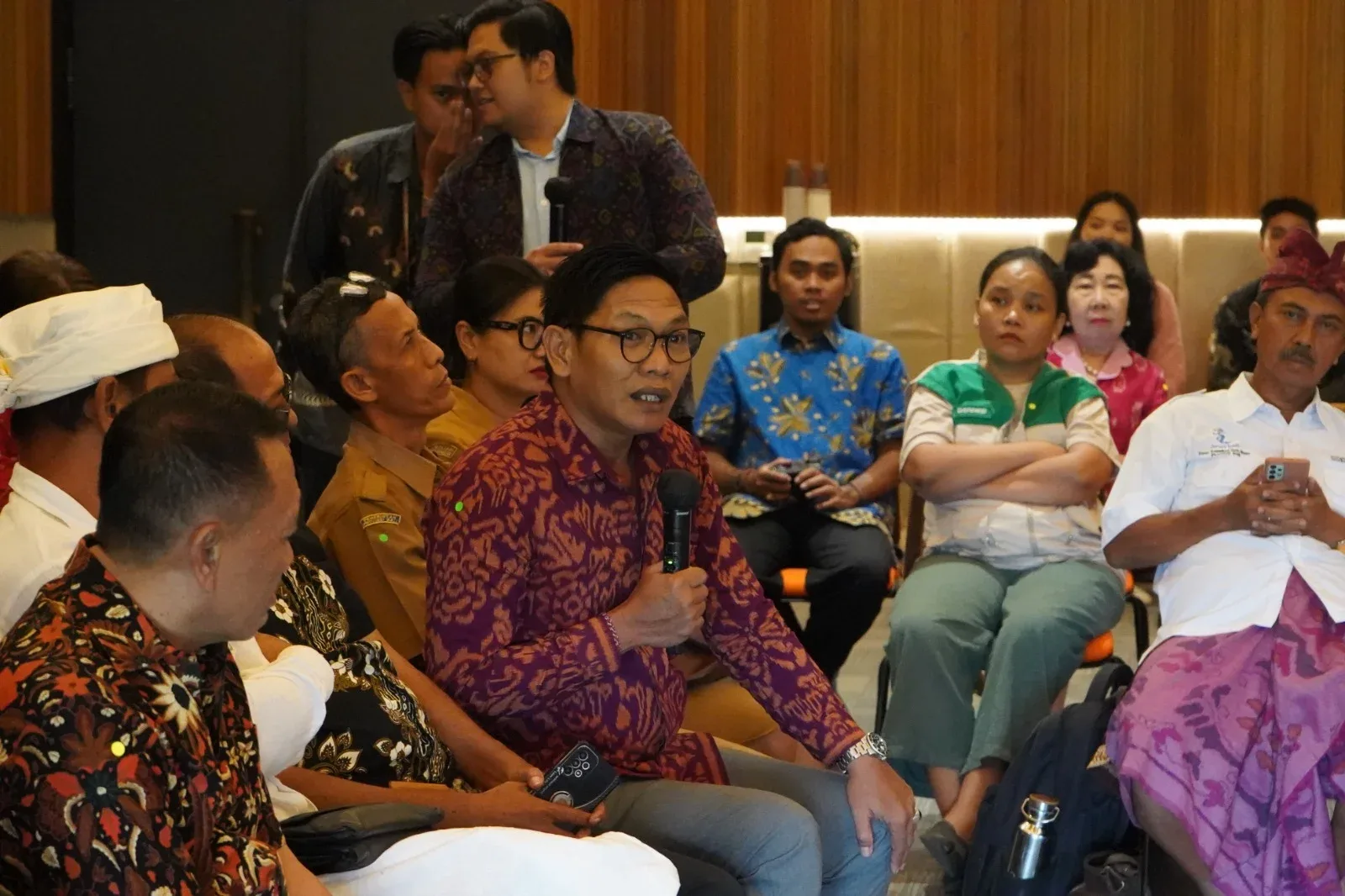
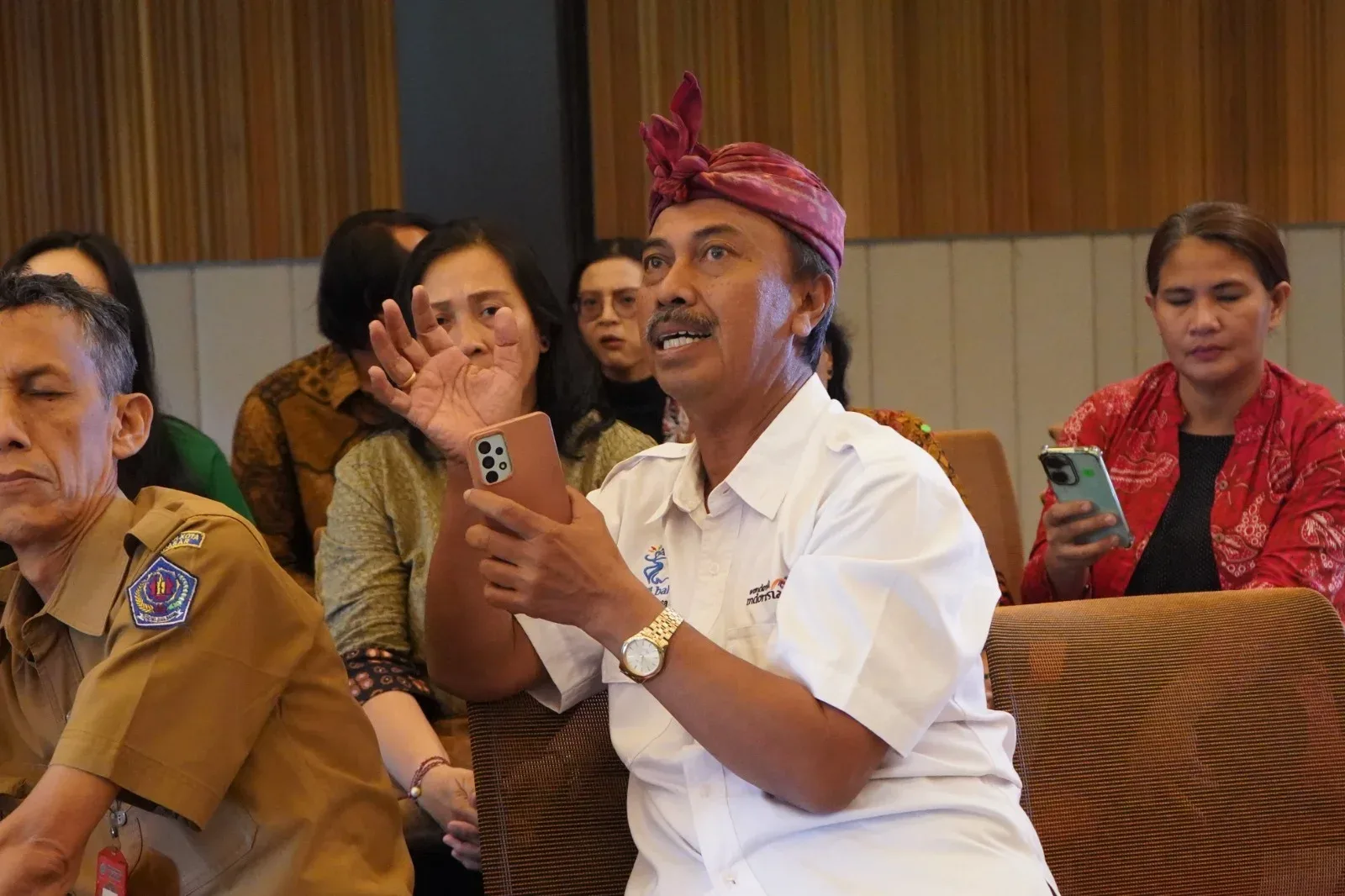
Several key insights emerged from the plenary session. Participants emphasized that integrated cross-sector dialogue is essential to ensuring Bali remains a livable home for its residents, rather than merely a high-density tourist destination. There was also a strong call for policy supervisors with the political will to regulate tourism for the greater public good, as well as a shared understanding that Bali’s tourism challenges have persisted for years and require immediate, strategic action, not just long-term planning. The discussion also highlighted that Bali has been experiencing natural resource scarcity for more than three decades, raising fundamental questions about tourism growth limits and environmental carrying capacity.
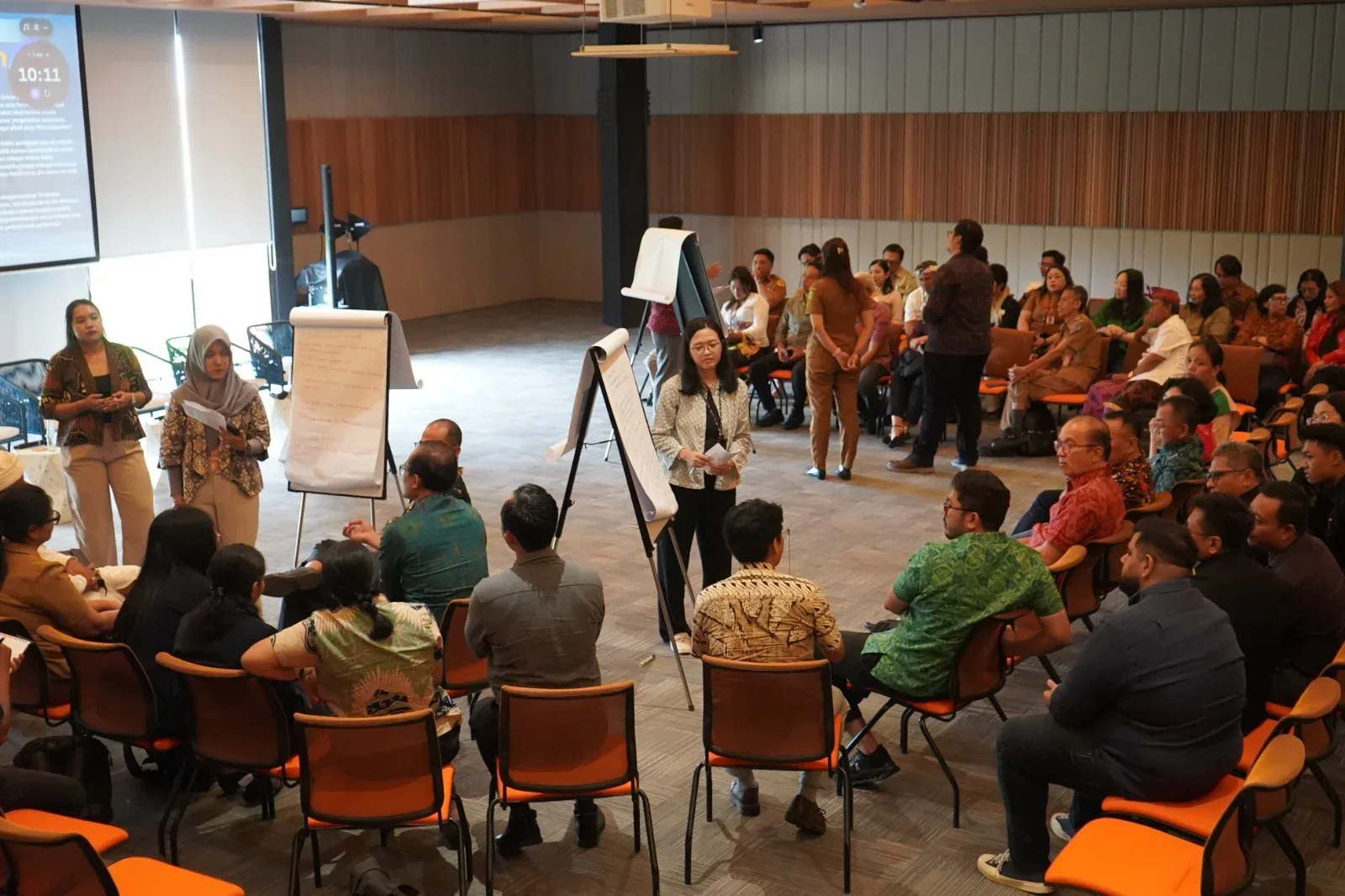
Following the main discussion, participants were divided into three breakout rooms focusing on economic, environmental, and socio-cultural dimensions of Bali’s tourism development.
In the Economic Potential and Challenges group, participants noted that the rapid growth of Bali’s tourism-driven economy has not sufficiently benefited SMEs or grassroots communities, with most gains concentrated among large corporations. Stronger law enforcement was identified as critical to ensuring that policy incentives reach local communities and small businesses. Participants also expressed hope that UID could leverage its network to support solutions and act as a monitoring and evaluation advisor for government tourism regulations.
The Environmental Potential and Challenges group highlighted that local Balinese communities continue to bear the environmental costs of tourism policies that prioritize modernization and growth. Participants stressed the need for stricter regulatory enforcement to protect Bali’s environmental quality while maintaining a viable tourism sector. UID was expected to play a bridging role between tourism stakeholders and policymakers to facilitate more environmentally responsible public policies.
Meanwhile, the Socio-Culture Potential and Challenges group emphasized the importance of strengthening existing local forums to shift indigenous and local communities from passive consultation roles to active participation in early-stage decision-making processes. Participants called for public policies that clearly distinguish between culture as a living system and culture as a commodity, ensuring that tourism development respects and prioritizes sacred and living cultural practices. In this context, UID and Mandara SLPP were recognized as critical tri-sector connectors and knowledge brokers capable of translating local socio-economic realities into inclusive and balanced policy recommendations.
The discussion resulted in two concrete outcomes. First, Mandara SLPP will produce a policy brief to advocate for strategic public policy reforms in Bali’s tourism sector. Second, the Chairman of Commission II of the Bali Provincial DPRD expressed intentions to engage UID in future consultations related to the formulation of local regulations – an opportunity that may further activate UID’s role as a consultant and catalyst for sustainable development in Bali.
Through this collaboration, United In Diversity reaffirmed its role as a platform for inclusive dialogue and a catalyst for tri-sector cooperation, advancing sustainable and equitable development pathways for Bali’s tourism future.