Embracing Agentic AI: Opportunities and Responsibilities in the New Era of Artificial Intelligence
By Suyoto (Chancellor, United In Diversity Foundation)
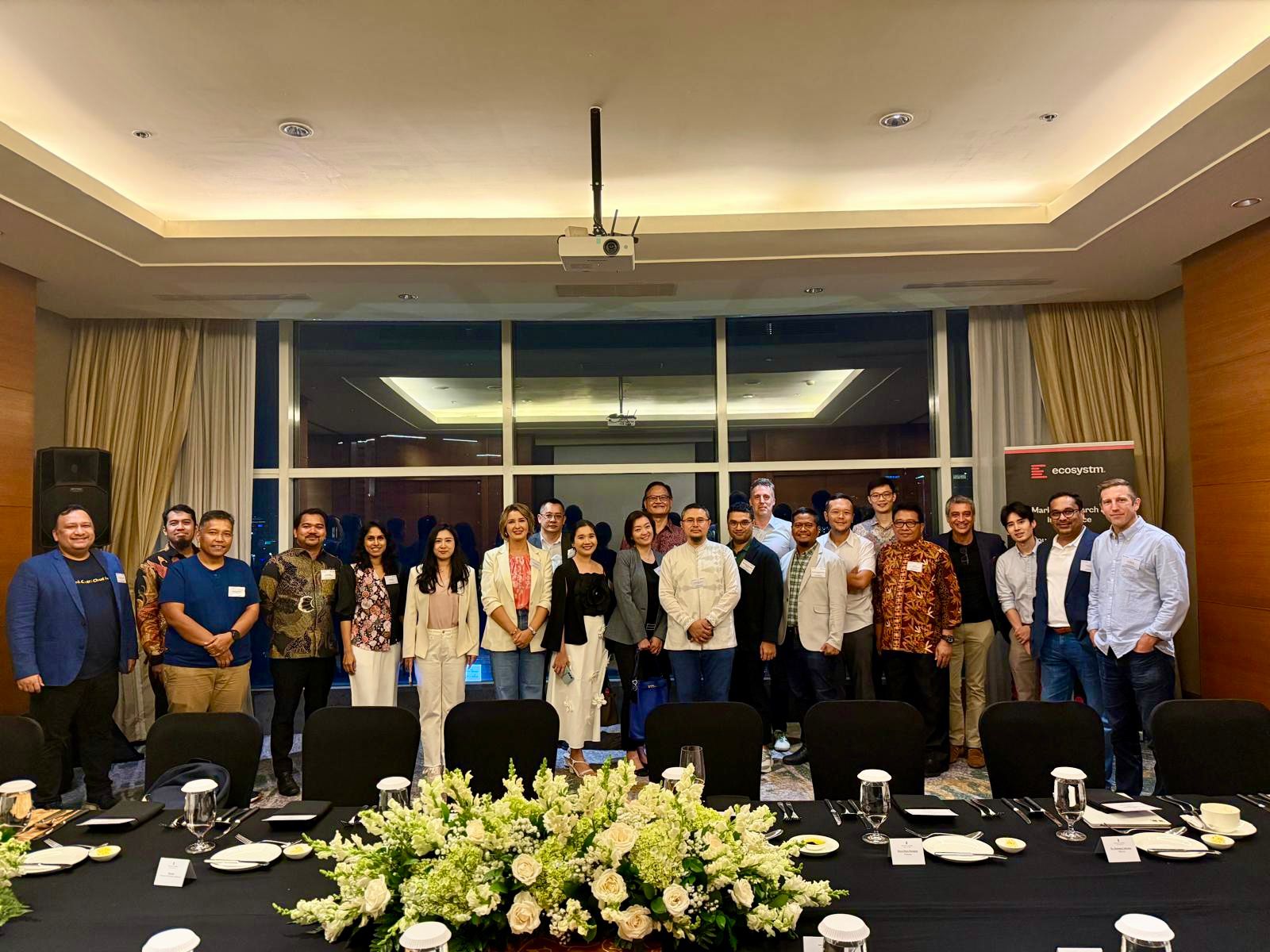
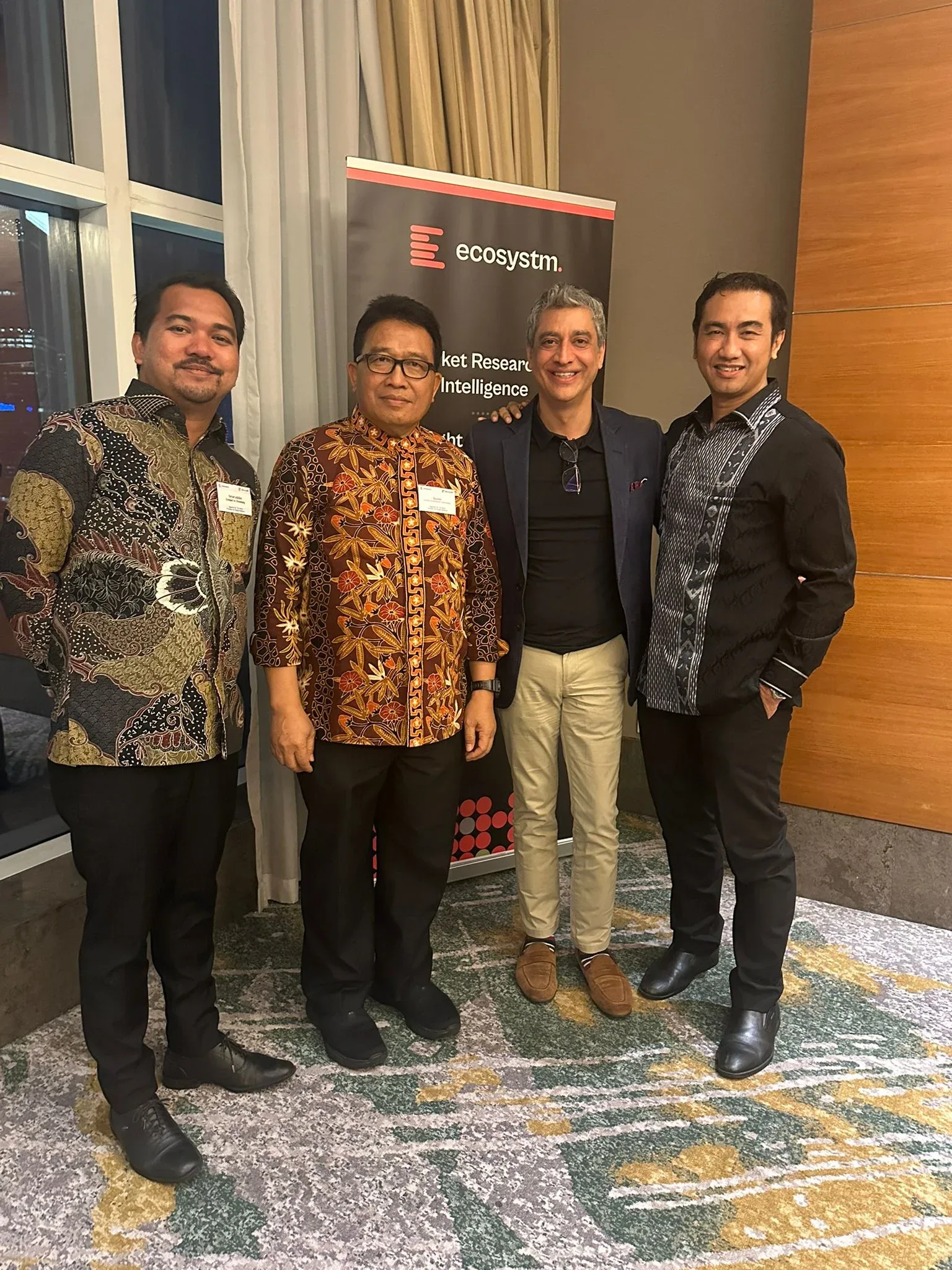
Last night, I participated in a thought-provoking closed-door discussion in Jakarta titled "Agentic AI: The Next Frontier for Digital Natives", hosted by Ecosystm and Microsoft. The diverse group of participants, including business leaders from culinary, healthcare, data, and real estate sectors, illuminated a profound realization: Artificial Intelligence (AI) is rapidly evolving from a "smart tool" into a potential agent of civilizational transformation.
Yet, amidst this optimism, persistent concerns resonate from educators, religious leaders, social activists, and parents. AI is often perceived as a threat to morality, a driver of digital addiction, or an exacerbator of social conflict. In education settings, it’s accused of enabling cheating, spreading misinformation through “hallucinations,” and eroding critical thinking. However, the reality is far more nuanced; when leveraged wisely, AI possesses the capacity to empower individuals, particularly students, to reach their highest potential.
How, then, do we reconcile this dialectic of optimism and pessimism?
1. Two Paradigms: Generative AI vs. Agentic AI
Modern AI can be broadly categorized into two distinct types:
- Generative AI: This paradigm focuses on creating new content, be it text, images, music, or other media. Examples include ChatGPT, Midjourney, DALL·E, and Deepseek. These tools primarily function as sophisticated assistants, aiding in writing, design, problem-solving, and even scriptwriting.
- Agentic AI: Moving beyond mere content generation, Agentic AI, often referred to as AI Agents, acts autonomously, making decisions based on predefined goals. It doesn’t just respond to commands; it initiates actions.
AI experts identify five key types of Agentic AI, each with increasing levels of sophistication:
- Simple reflex agents: Respond based on predefined rules.
- Model-based reflex agents: Consider context in their responses.
- Goal-based agents: Driven by specific objectives.
- Utility-based agents: Optimize choices to maximize a desired outcome.
- Learning agents: Adapt and improve their performance through experience.
Imagine an AI that autonomously manages your coffee business—tracking inventory, analyzing customer emotions, forecasting trends, and recommending dynamic pricing and promotional strategies. This exemplifies Agentic AI: not merely an assistant, but an adaptive, autonomous digital collaborator capable of strategic execution.
2. Responsible AI Adoption: A Phased Approach
Adopting AI should be viewed as a conscious journey of awareness and responsible integration, rather than a mere technological deployment. This journey typically unfolds through three key phases:
- AI as an Assistant: In this initial phase, humans retain full control, utilizing AI solely as a supportive tool.
- AI as a Co-Agent: Here, AI begins to make decisions, but within clearly defined and agreed-upon boundaries, requiring close human oversight.
- AI as a Full Replacement: This remains a highly controversial and ethically complex scenario, necessitating robust ethical frameworks and stringent regulation before it is widely considered.
The critical question, therefore, becomes: How do we develop and deploy responsible Agentic AI?
The answer lies in adhering to established Responsible AI principles:
- Transparency: Understanding how AI systems arrive at their decisions.
- Fairness: Ensuring AI systems are free from bias and treat all individuals equitably.
- Accountability: Establishing clear lines of responsibility for AI system actions and outcomes.
- Data Security: Protecting the integrity and privacy of data used by AI systems.
- Human-centric Alignment: Designing AI to augment human capabilities and values, not diminish them.
3. Real-World Applications of Agentic AI
The transformative potential of Agentic AI is already manifesting across various sectors:
Business: Local success stories like Kopi Kenangan demonstrate AI’s application in supply chain optimization, customer sentiment analysis, document automation, and accelerated decision-making. AI as a co-pilot for enhanced efficiency and strategic insights.
Media: AI significantly accelerates research, gauges public sentiment, and can even draft initial news content. Nevertheless, the integrity of ethical journalism remains paramount to prevent the proliferation of misinformation.
Healthcare: AI assists in digital consultations, preliminary diagnoses, and efficient medical record management. Crucially, a “human-in-the-loop” principle is essential, ensuring that medical professionals retain final authority over diagnoses and treatment plans.
Education: AI can personalize learning experiences, acting as a dynamic mentor that complements, rather than replaces, human teachers. Robust ethical frameworks must always guide its deployment to ensure equitable and effective learning outcomes.
Poverty & Food Security: AI offers powerful tools for analyzing agricultural data, predicting harvests, optimizing planting cycles, and improving food distribution logistics. These applications hold immense promise in bolstering food security and combating hunger globally.
4. Know Your Role and Responsibility
In this evolving AI ecosystem, responsibilities are multifaceted and distributed:
- As Consumers, we bear the responsibility to critically scrutinize the data and content we consume, create, and share.
- As Tech Providers, the onus is on us to ensure algorithmic fairness, robust security measures, and ethical design principles.
- As Organizational Users, ethical deployment of AI within organizations is non-negotiable, requiring careful consideration of its impact on employees and stakeholders.
- As Policymakers, our duty extends to building supportive digital infrastructure, enacting adaptive regulations, and fostering digital equity to ensure broad and beneficial access to AI.
Moral Readiness and a New Chapter for Humanity
Agentic AI presents immense opportunities to fundamentally redefine work, human relationships, and value creation. However, seizing these opportunities demands moral awareness and historical responsibility: technology must unequivocally serve humanity, not the reverse.
Digital literacy alone is insufficient; we urgently need to cultivate ethical and historical literacy. We must continually ask ourselves: “What does it mean to be human in the age of AI?” The true promise of AI is not to isolate us but to bring us closer, making us more humane and fostering a more connected, understanding society.
Let us collaboratively build a civilized and prosperous future with Agentic AI.
Jakarta, June 4, 2025
References & Notes:
• Microsoft Research & MIT (2024): Agentic AI: Systems That Know What They Want.
• World Economic Forum (2025): Ethics and Governance in the Age of AI Agents.
• Stanford HAI (2024): Human-AI Collaboration and the Future of Work.
• Indonesia’s Personal Data Protection Act (2022).