Algorethics: Ethics for Artificial Intelligence in the AI Era
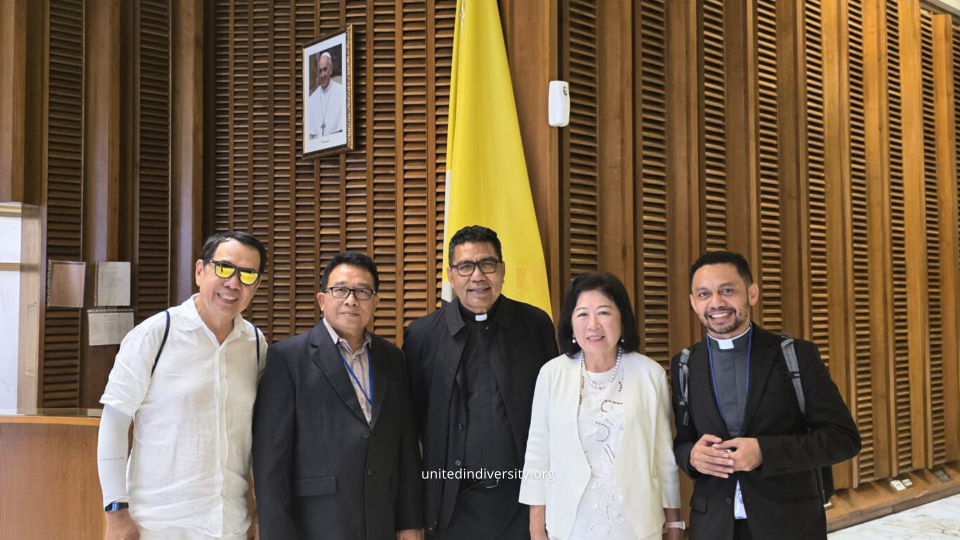
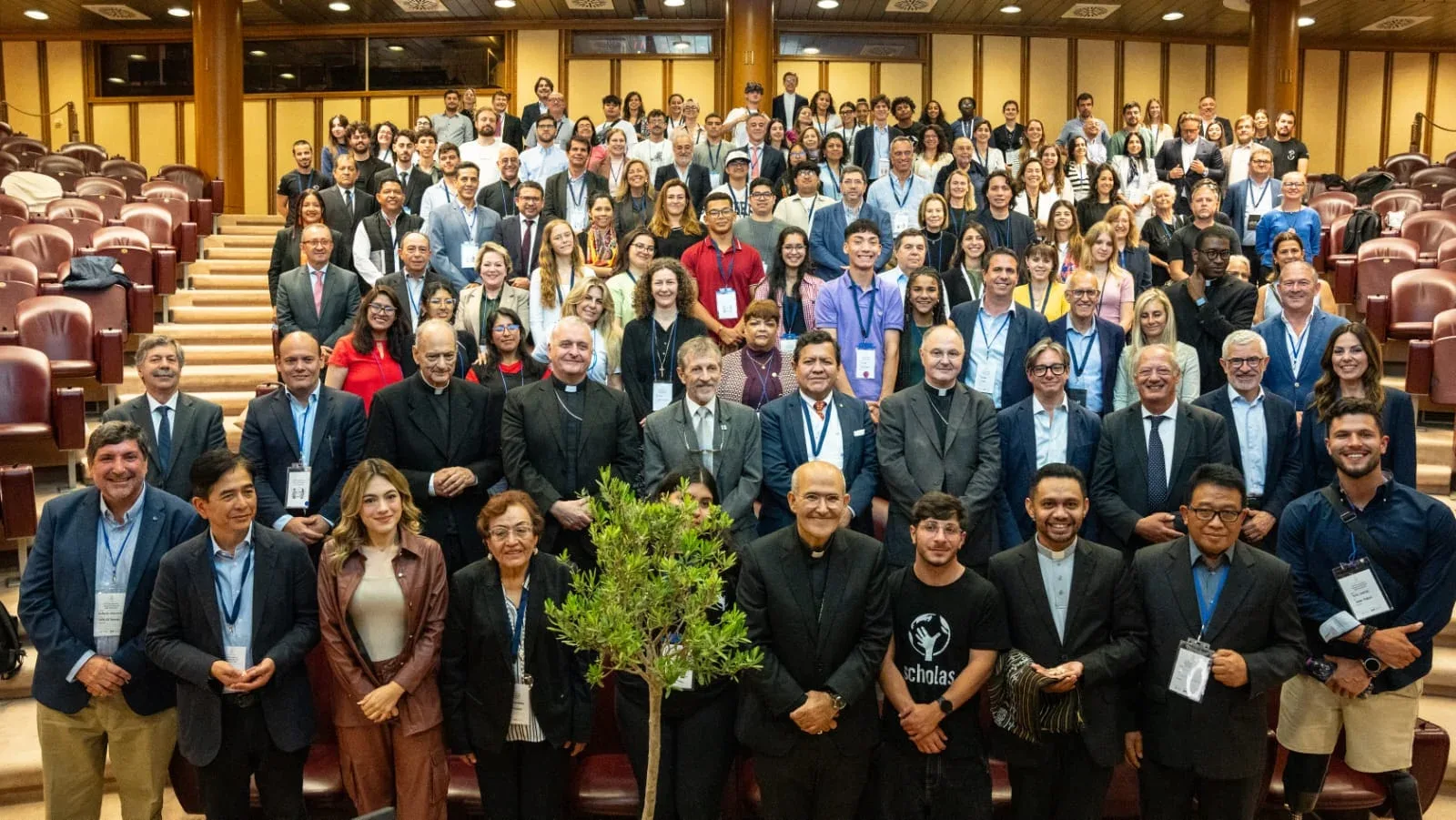
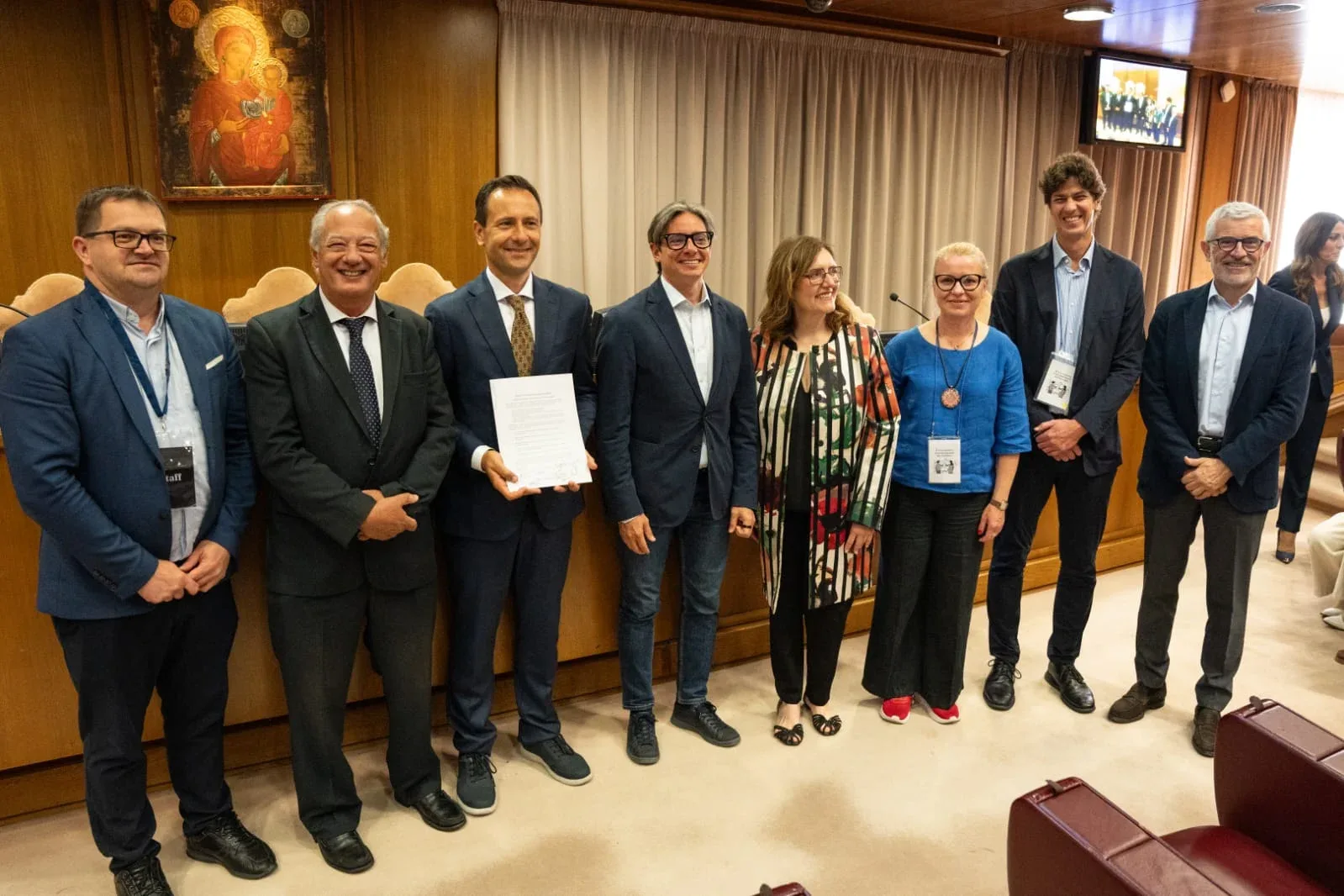
From May 27 to 29, 2025, I had the privilege of attending the International Meeting on Meaning at the Vatican, organized by Scholas Occurrentes, a global educational foundation established by Pope Francis. This gathering brought together religious leaders, scholars, educators, artists, and youth from around the world to discuss the challenges and hopes of our time. I am deeply grateful to the leadership of the United In Diversity Foundation for entrusting me with this opportunity. On the final day, the Algorethics Declaration was signed—a pivotal call for ethical principles in artificial intelligence (AI) algorithms.
Why a Declaration Specifically for AI?
Other technologies—such as air conditioning, vehicles, and even airplanes—have long served humanity without raising the same moral concerns. What makes AI different?
The answer lies in one key concept: autonomous decision-making. Historian Yuval Noah Harari notes that AI is unique because it possesses agency: the ability to make decisions without direct human intervention. When TikTok or Facebook "recommends" a video, no human selects it for you manually. Instead, a complex algorithm—an artificial brain—decides what content you see, like, and even believe.
This raises a critical question: Does this artificial brain account for social justice, child development, societal harmony, or public political health?
The Necessity of Algorethics
The term "Algorethics" merges "algorithm" and "ethics"—emphasizing the need to embed moral values into AI’s design, training, and deployment. It’s not just about regulating technology but ensuring that humanity, fairness, and sustainability are foundational to AI systems.
Who Bears Responsibility?
The answer: everyone.
• Policymakers must craft wise, forward-thinking regulations.
• Tech companies must prioritize public ethics over profit.
• Educators and religious leaders (including preachers) must nurture moral awareness in the digital generation.
• Businesses and media must recognize that their algorithms aren’t just tools for engagement—they shape human and societal outcomes.
Yet, the most crucial responsibility lies with users, whether as content creators, uploaders, or consumers. In this era, everyone must cultivate agency: the ability to act with values and critical awareness. This includes a moral compass, critical thinking skills, and digital literacy to verify information.
An Islamic Perspective
Islam has long emphasized moral consciousness and social responsibility in all forms of authority, including control over information. Surah Al-Hujurat (49:6) reminds us:
"O you who believe! If a wicked person comes to you with news, verify it carefully..."
This principle of tabayyun (verification) aligns with Algorethics: Do not blindly accept machine-generated information or decisions. Scrutinize, analyze, and validate. Imam Al-Ghazali, in Ihya Ulumuddin, warned that knowledge without ethics breeds corruption, not good.
A Historic Turning Point
AI can be a blessing or a moral catastrophe, depending on the values we instill in it. The Algorethics Declaration is not an endpoint but an invitation to collaborate, ensuring intelligent machines also become civilized machines. For United In Diversity, Algorethics reflects our commitment to conscious systems transformation, from Conscious Leadership to collective action for universal well-being.
Vatican, May 29, 2025
Suyoto (Chancellor, United In Diversity Foundation)